A curated library for
quiet exploration.
This a collection of books I regularly recommend in my clinical work. Each chosen for it's nuance, integrity, and respect for the complexity of desire, relationships, culture, and embodiment.
These resources aren't required to begin therapy
Many clients never read a single book here and still do meaningful, transformative work.
If you’re drawn to learning, reflection, or quiet exploration, this library is an invitation — not an assignment.
Many of these titles are also available in audiobook format, for those who prefer to listen.
Looking for something specific, or found your way here from a search? These books support the work, they don't replace it. If something's been nudging at you, consultations are open.
A Note on Use
These books are here as support - not a replacement for therapy.
Take what resonates. Leave what doesn’t.
You're not behind if you haven’t read them — and not ahead if you have.
If something brings up more than you expected, it’s okay to pause, skip it, or bring it into session instead.
Your pace matters here.
Not sure where to begin?
Start with the pathway that sounds most like you — that’s enough.
If You’re Feeling Disconnected From Desire or Your Body
Low shame. low demand. high normalization.
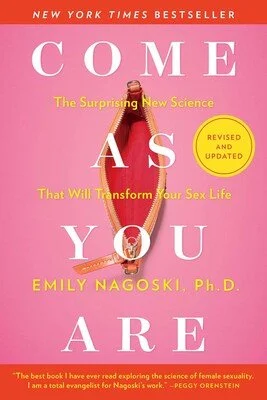
Come As You Are
A grounded, science-based look at how desire works for people with vulvas — especially why context, safety, and stress matter more than “sex drive.” This book helps untangle shame and offers relief for anyone who’s wondered why their desire doesn’t look the way they think it should.
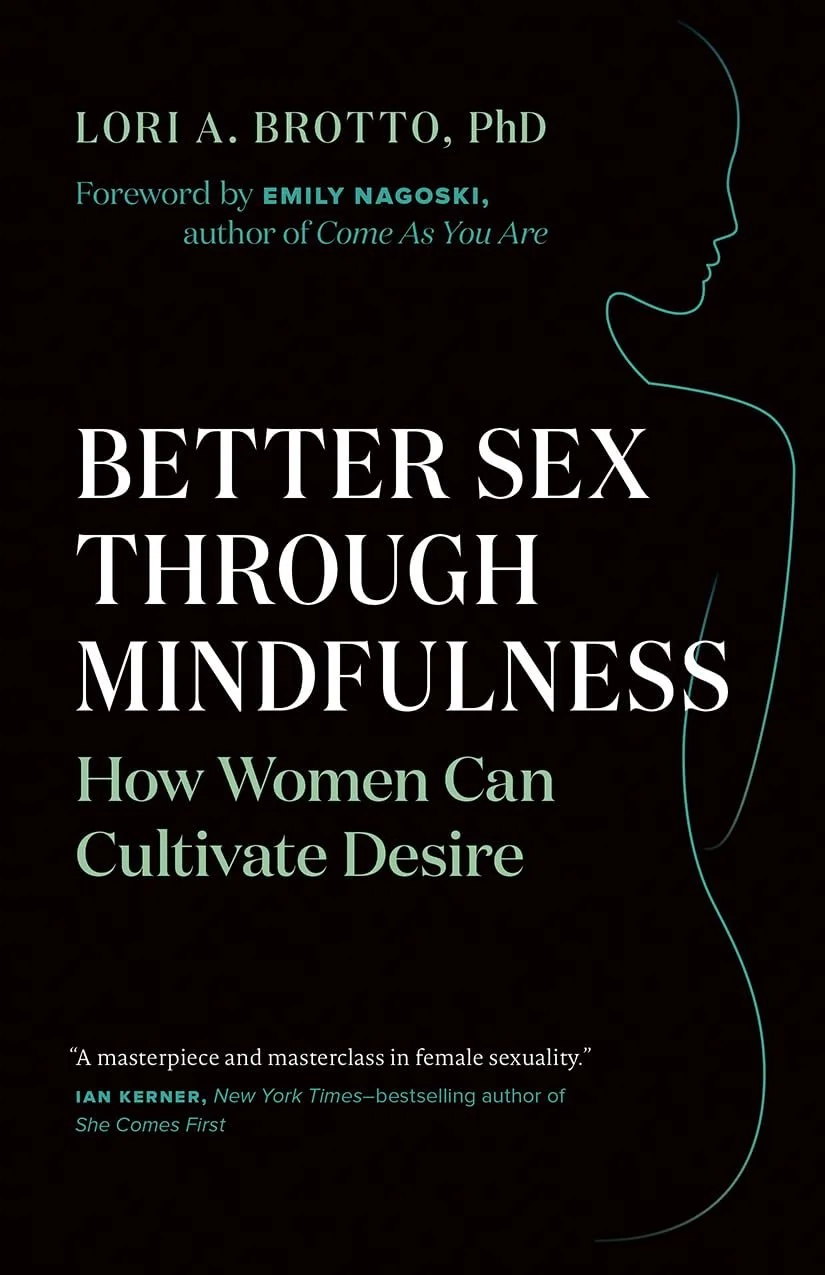
Better Sex Through Mindfulness
A thoughtful look at how mindfulness can help people reconnect with desire, sensation, and presence during sex — especially when intimacy has started to feel routine, pressured, or disconnected. Brotto includes simple practices grounded in research while avoiding shame around low desire or the promise of a quick fix.
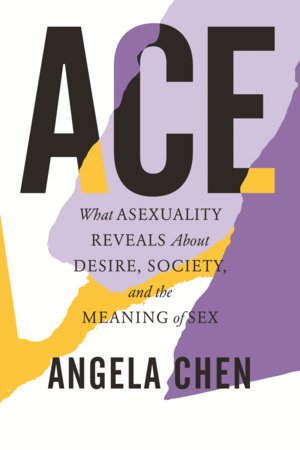
ACE
A thoughtful exploration of asexuality that challenges common assumptions about what “normal” desire is supposed to look like. Chen reflects on how cultural expectations around sex shape the way many of us understand intimacy, offering a broader perspective on connection that doesn’t treat sexual desire as the only measure of closeness or relational health.
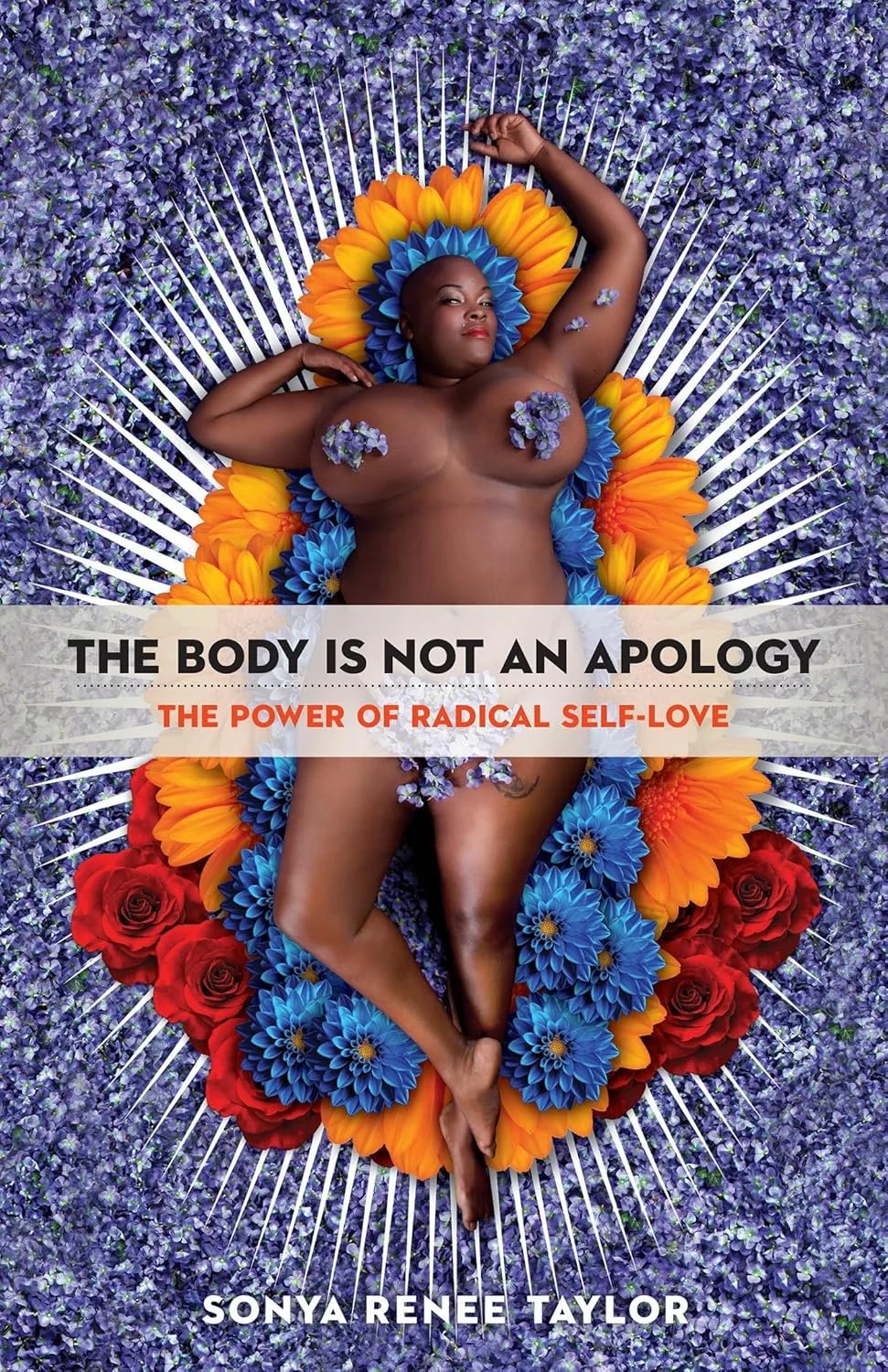
The Body Is Not an Apology
A compassionate exploration of how bodies become sites of shame through culture, racism, and oppression — and how reclaiming body acceptance can be deeply reparative. This book frames embodiment and pleasure as relational, political, and worthy of care.
- Come As You Are — Emily Nagoski
- Better Sex Through Mindfulness — Lori Brotto
- ACE — Angela Chen
- The Body Is Not an Apology — Sonya Renee Taylor
These are often a good place to start when desire feels confusing, absent, or pressured — and you're looking for understanding without needing to fix anything.
If this resonates — begin here.
If You’re Trying to Make Sense of Your Relationships
Pattern recognition. attachment. clarity.
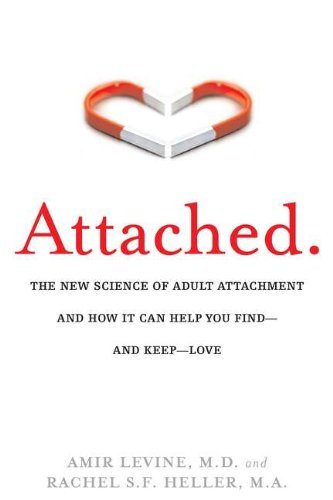
Attached
An accessible introduction to attachment theory and how patterns like anxious, avoidant, and secure attachment can show up in adult relationships. While the book focuses primarily on heterosexual, monogamous partnerships, many readers still find its explanations helpful for recognizing relational patterns and understanding their own needs in connection.
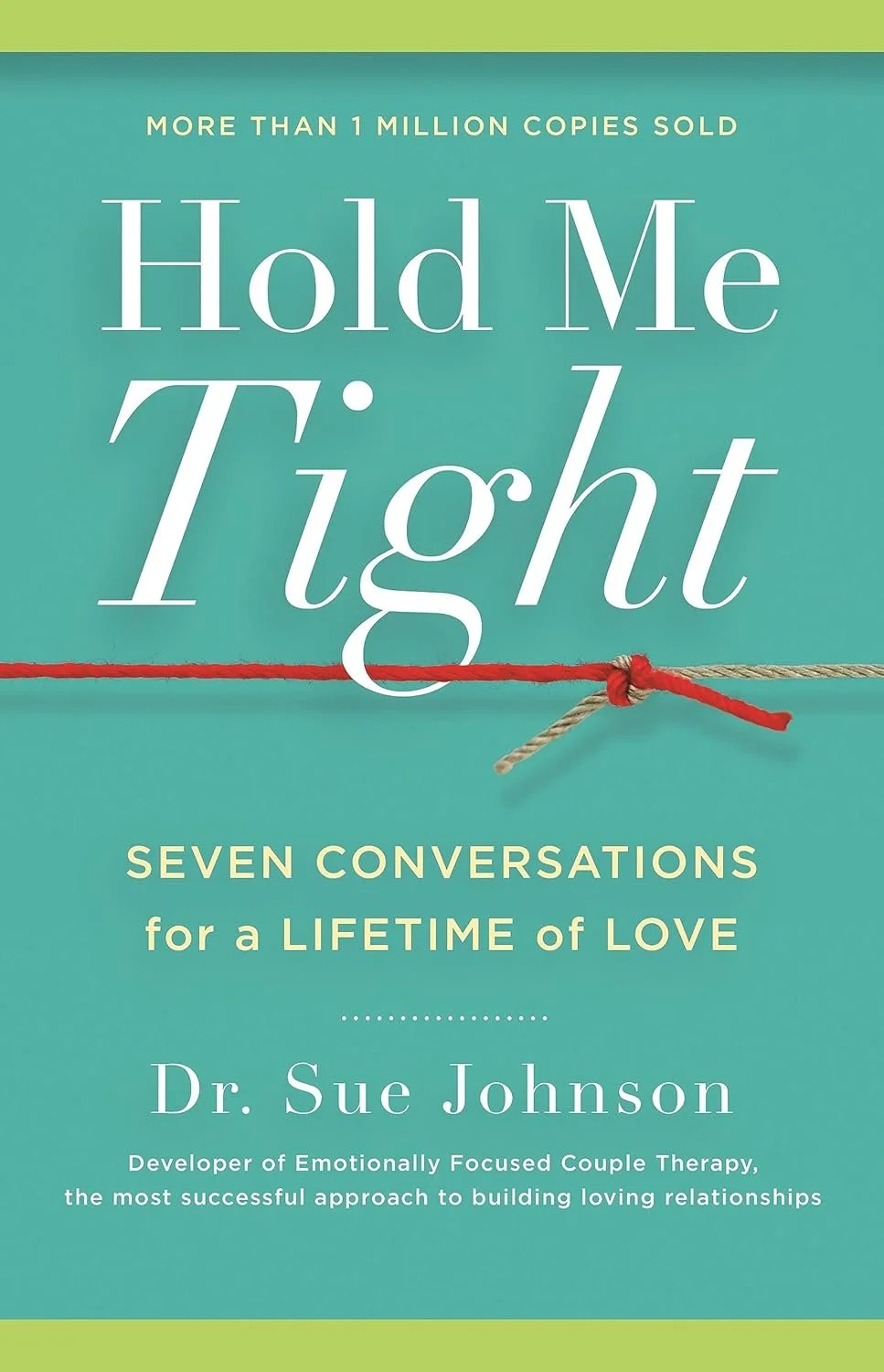
Hold Me Tight
A foundational introduction to Emotionally Focused Therapy (EFT) and the role attachment plays in relationship distress. Sue Johnson helps couples understand how disconnection — not just communication issues — drives conflict, and how repair becomes possible when those underlying needs are named and responded to. That said, the book centers primarily married, heterosexual couples and leans on more traditional relationship structures — so some readers may need to translate parts of it to fit their own dynamics.
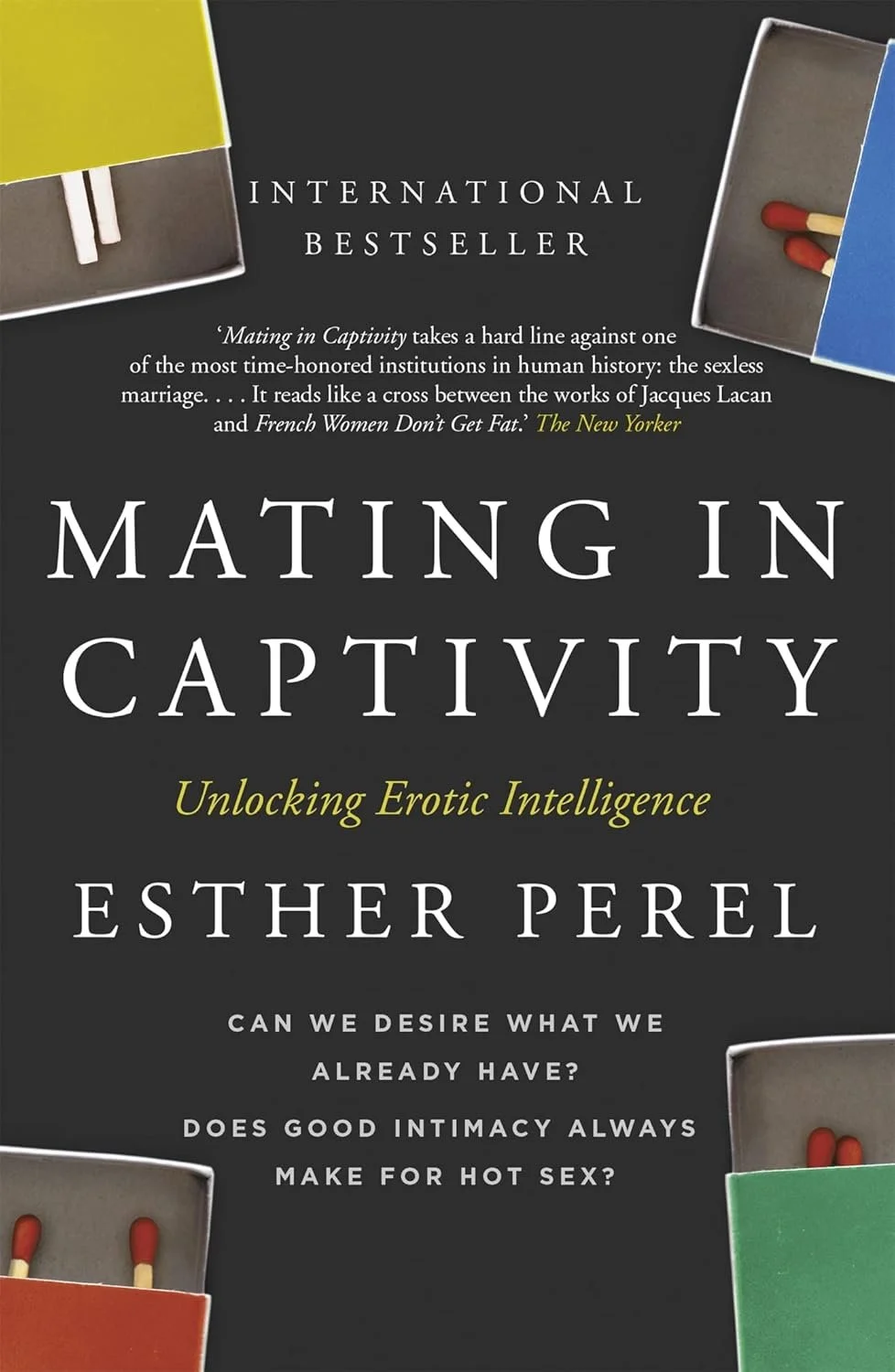
Mating in Captivity
An exploration of why long-term intimacy and erotic desire often feel at odds — and why that tension is common, not a personal failure. Perel invites readers to hold both security and aliveness without forcing an either/or.
- Attached — Levine & Heller
- Hold Me Tight — Sue Johnson
- Mating in Captivity — Esther Perel
These books can help you understand how you and your partner(s) relate - without defaulting to blaming or oversimplifying what connection actually requires.
If this resonates — begin here.
If You’re Navigating Non-Monogamy or Relational Expansion
Ethical framing. attachment-aware. responsibility-forward.
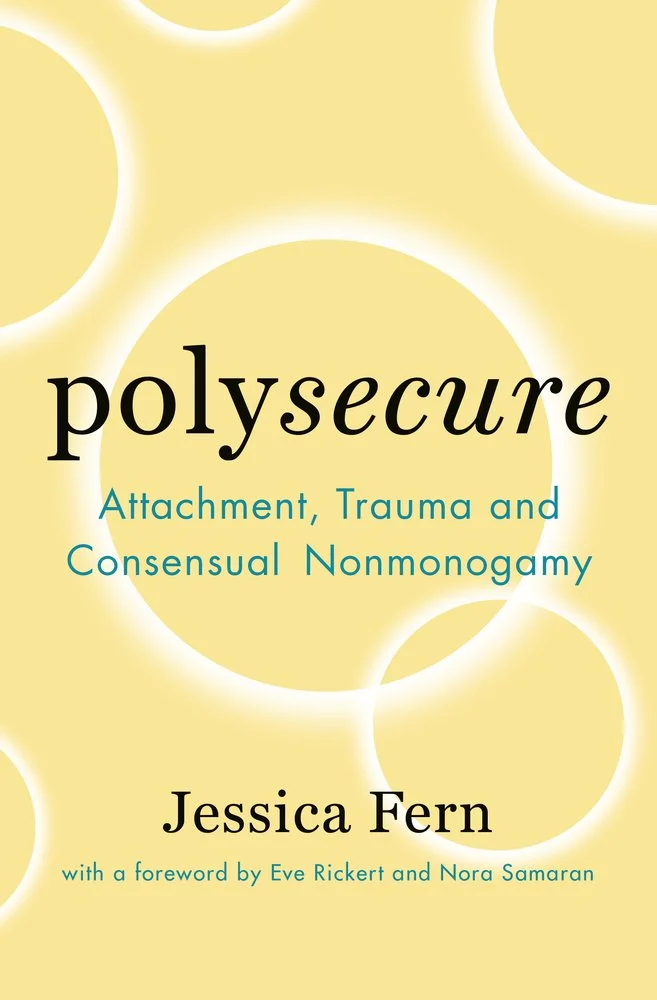
Polysecure
A thoughtful introduction to applying attachment theory within consensual non-monogamy. Fern explores how patterns like anxiety, avoidance, and the need for reassurance can show up in open relationships — and how partners can respond to these dynamics with honesty, care, and intention rather than shame.
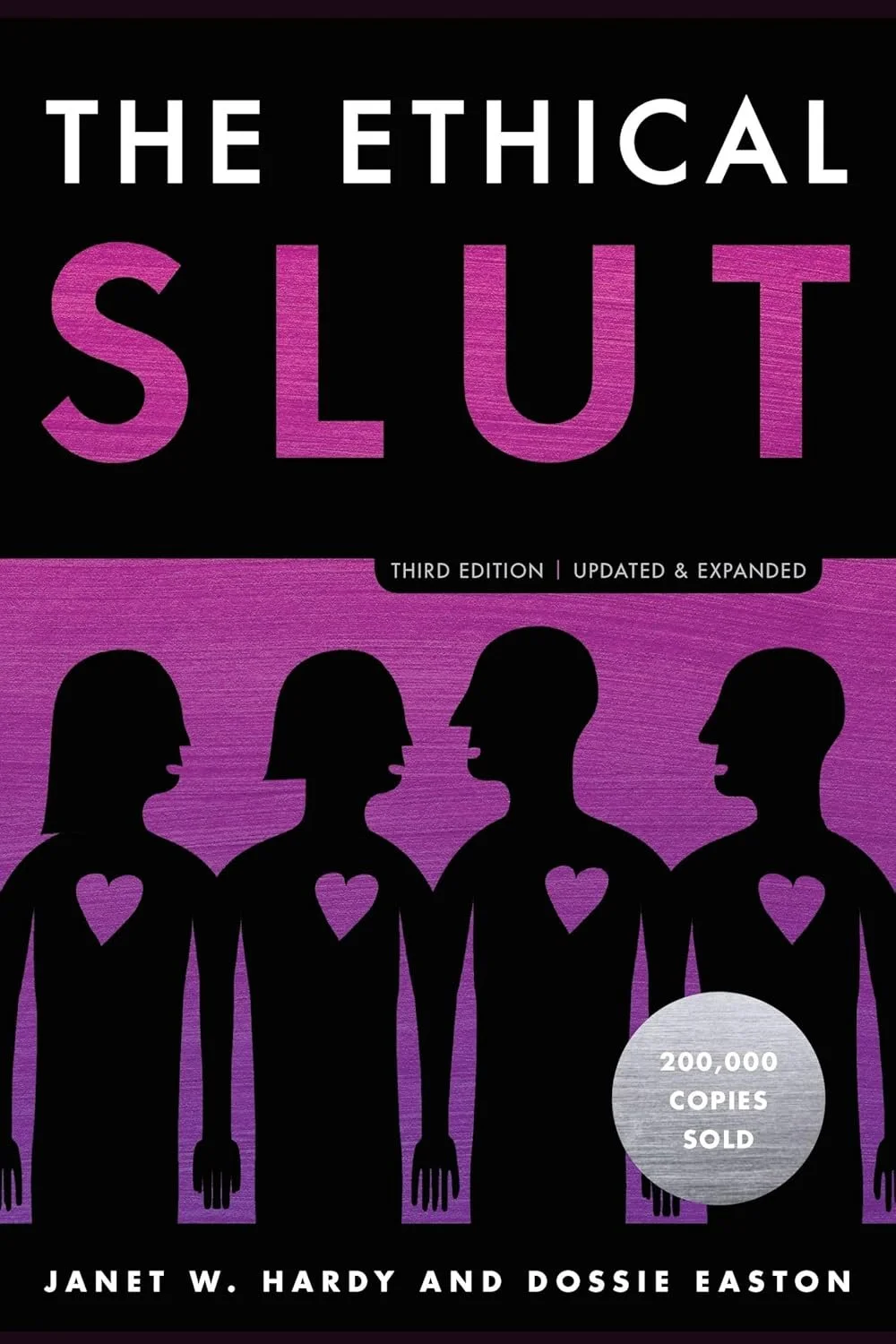
The Ethical Slut
A foundational introduction to consensual non-monogamy that addresses jealousy, communication, and desire without moralizing. Best read slowly and thoughtfully, especially for those unlearning shame around wanting more than one connection.
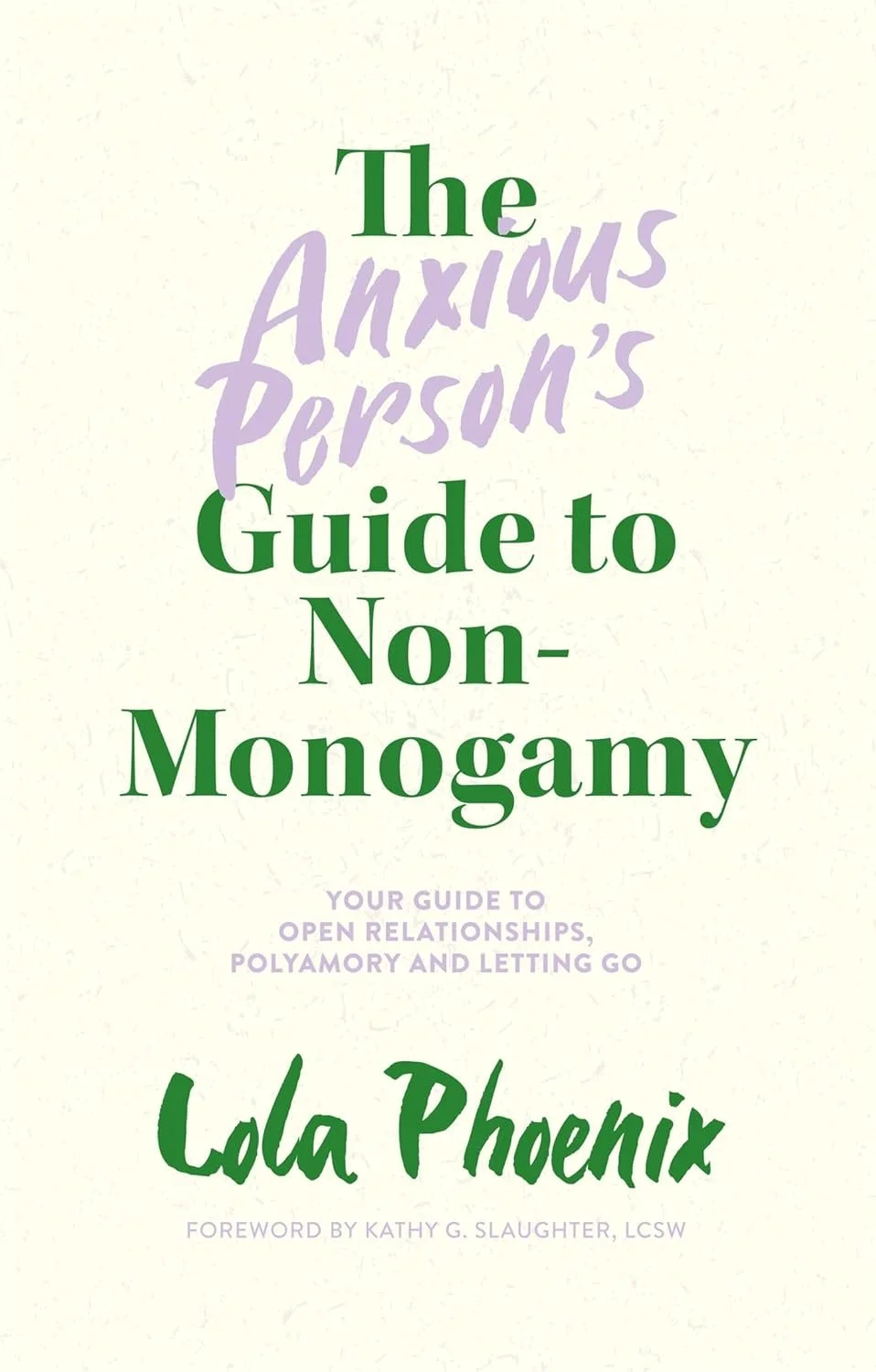
The Anxious Person’s Guide to Non-Monogamy
A compassionate guide for exploring consensual non-monogamy while navigating anxiety, neurodivergence, or attachment wounds. Phoenix offers practical structure without shaming the need for reassurance, clarity, or a slower pace.
- Polysecure — Jessica Fern
- The Ethical Slut — Easton & Hardy (3rd Ed.)
- The Anxious Person’s Guide to Non-Monogamy — Lola Phoenix
These books are best approached with self-honesty, support, and patience — especially if you notice attachment patterns are showing up.
If this resonates — begin here.
If Culture, Identity, or Power Have Shaped Your Relationship to Intimacy
Permission. validation. de-shaming.
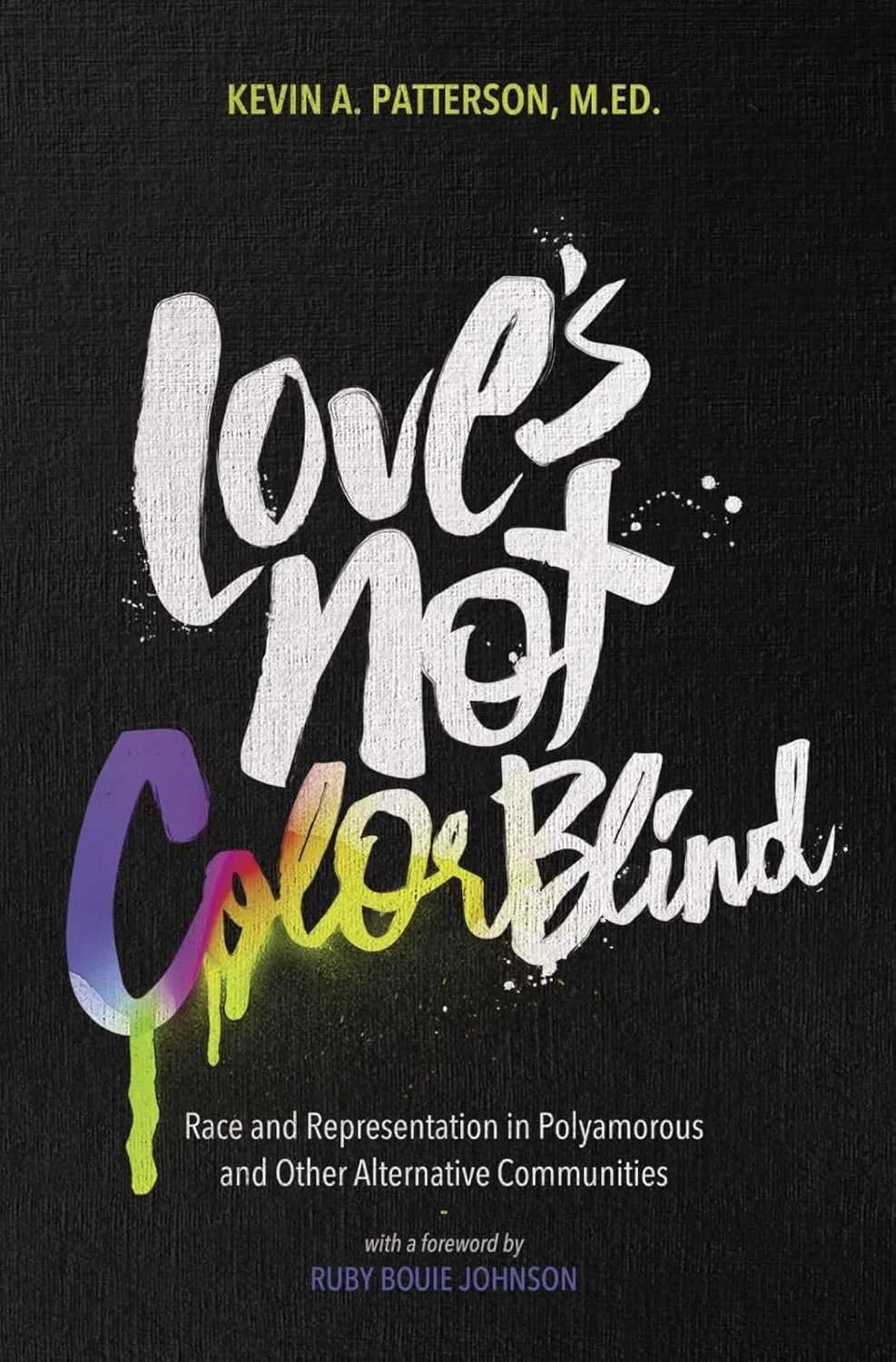
Love’s Not Color Blind
A clear examination of how race, power, and privilege shape experiences in non-monogamous and alternative relationship spaces. This book challenges the myth of “color-blind” relating and names the harm that can occur when culture is ignored.
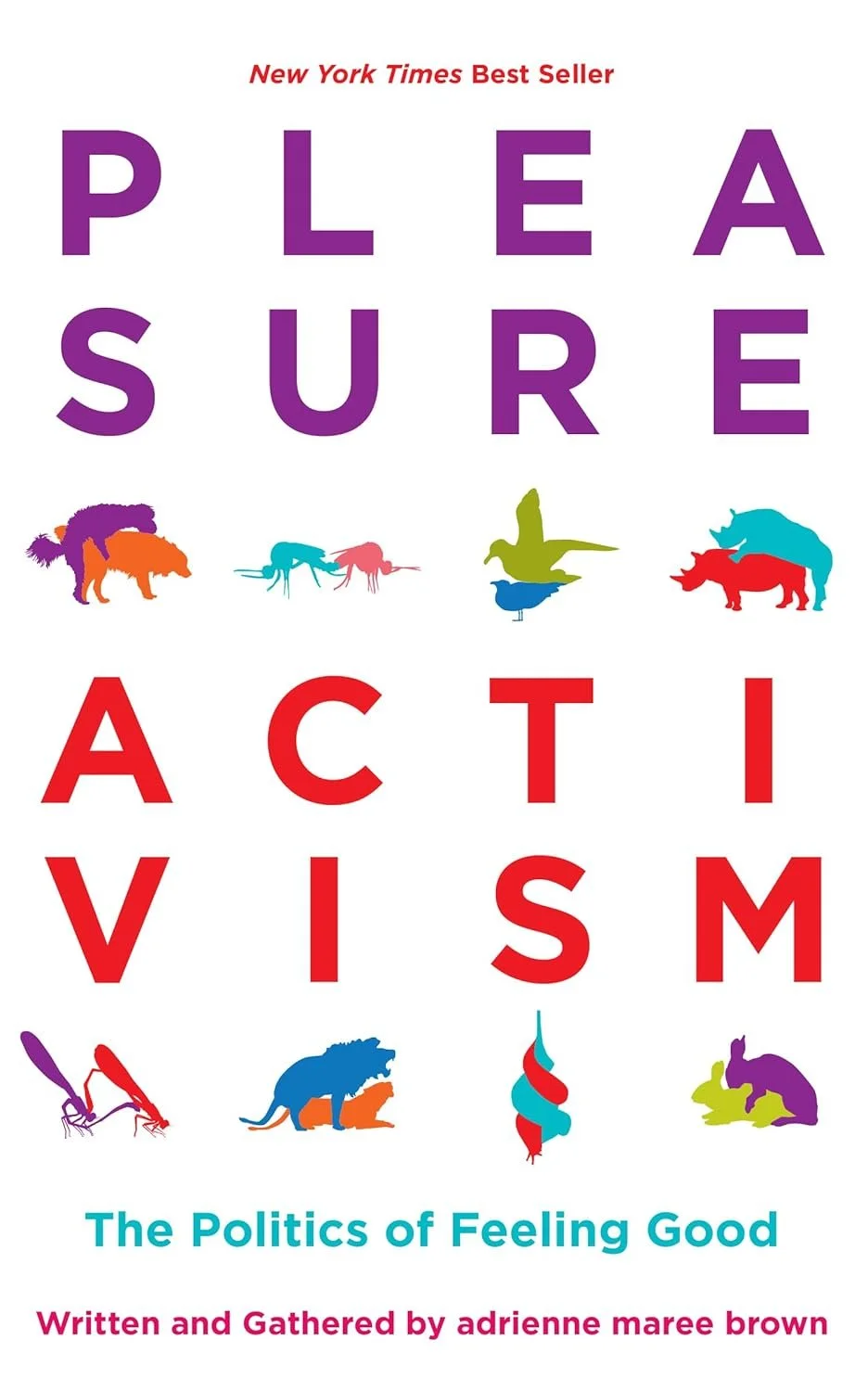
Pleasure Activism
A collection of essays and conversations exploring pleasure as something deeper than indulgence or escape. Drawing from Black feminist thought and lived experience, brown reflects on how reclaiming joy, desire, and embodiment can support both personal healing and collective liberation.
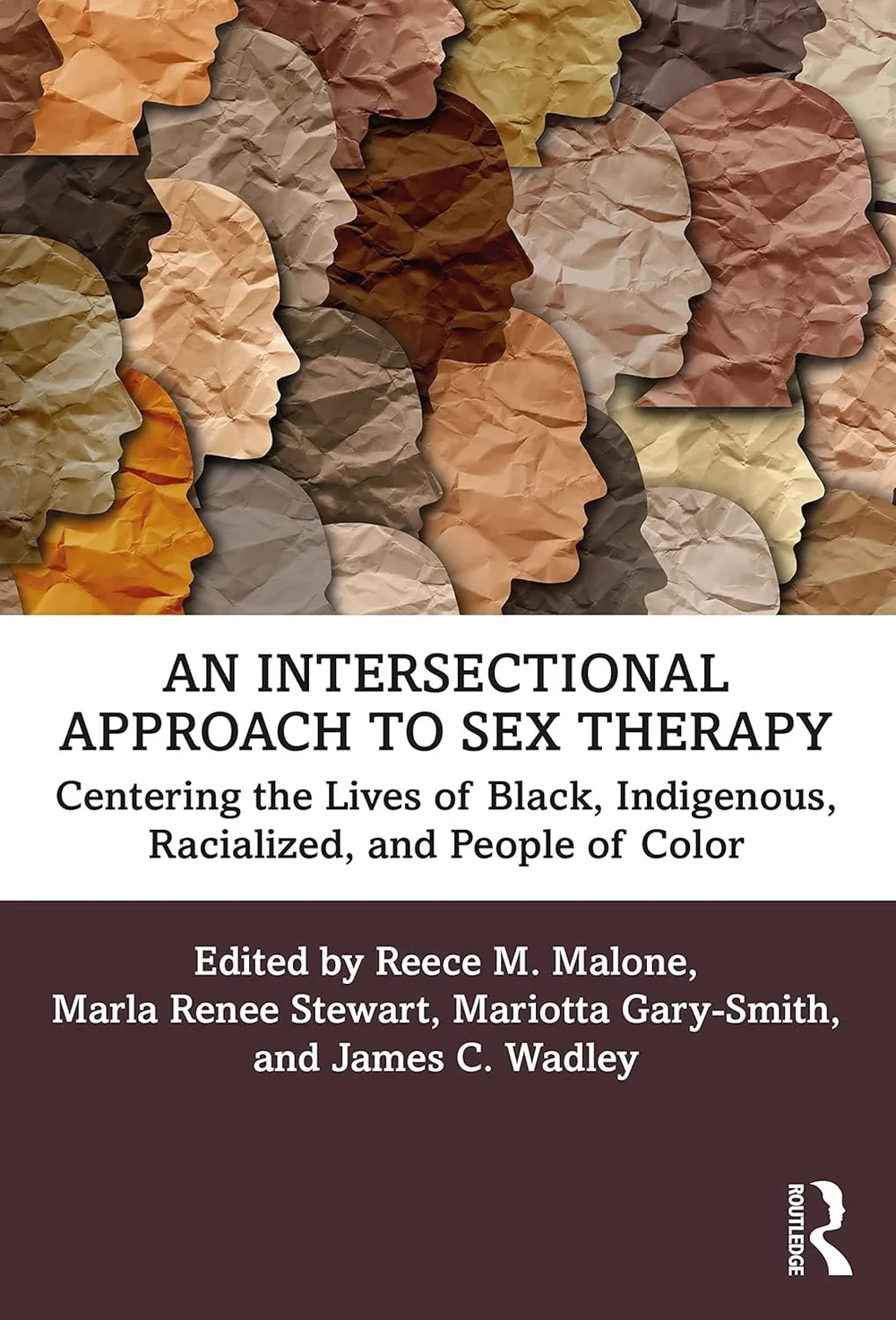
An Intersectional Approach to Sex Therapy
A powerful, clinician-written text exploring what sex therapy looks like when it actually accounts for race, culture, and power. Contributors examine how cultural narratives, systemic oppression, and relational dynamics shape intimacy — especially for Black, Indigenous, and other marginalized clients. It’s both clinical and personal, offering insight that goes beyond theory and into the lived realities many traditional sex therapy models overlook.
- Love’s Not Color Blind — Kevin A. Patterson
- Pleasure Activism — adrienne maree brown
- An Intersectional Approach to Sex Therapy — Malone, Stewart, et al.
These books can be especially meaningful if your experience of intimacy has been shaped by cultural expectations, racialized experiences, or systemic pressure around desire, care, and relational roles.
If this resonates — begin here.
If You’re Curious About Kink, Power, or Erotic Expression
Grounded. consent-forward. non-sensationalized.

The Ultimate Guide to Kink
A thorough, consent-centered introduction to BDSM and kink that prioritizes communication, negotiation, and self-awareness over performance or fantasy stereotypes. This book is especially helpful for those who want to explore power or sensation in ways that feel intentional, informed, and grounded in agency.

She Comes First
A practical, pleasure-centered guide that shifts intimacy away from performance and toward attunement, communication, and curiosity. Useful for vulva owners and their partners who want to understand pleasure without rushing, pressure, or hierarchy.
- The Ultimate Guide to Kink — Tristan Taormino
- She Comes First — Ian Kerner
These books center communication, consent, and embodied choice - rather than performance or expectation.
If this resonates — begin here.
If you’re seeing yourself in any of this, it's often what we explore together in therapy.
Schedule a consultationLooking for Something
More Guided?
If structured support feels easier than open-ended reading, these offerings are designed to meet you there - gently, and without pressure to perform or figure everything out first.
These are offered as entry points — whether you’re considering therapy, currently in it, or simply looking for a place to begin.
Shared Presence
A guided practice for partners to experience closeness through quiet, non-sexual presence.
Designed to support trust and co-regulation — especially when touch or intimacy has felt charged or uncertain.
Imagining Intimacy
A reflective exercise that invites you to listen to what your body already knows about intimacy — what feels grounding, enlivening, or true.
Not about immediate change, but about reconnecting with desire that may have gone quiet.
The Pleasure Conversation Starter Guide
A set of 69 questions designed to support honest, spacious conversations about sex, desire, and boundaries.
Meant to be approached slowly, with room to pause, skip, or return.
Year-End Relationship Reflection Guide
A structured reflection for partners to take stock of what’s working, what feels misaligned, and what may have gone unspoken.
Designed to support clarity without blame or urgency.
Questions to Ask Your Therapist
A thoughtful list of questions to support discernment when choosing a therapist — especially around relationship structure, cultural attunement, sexuality, and non-monogamy.
Created to help you assess fit and safety without feeling demanding or apologetic.
There's no right way to use these.
Start where you are, and take what feels useful.
Featured Resources
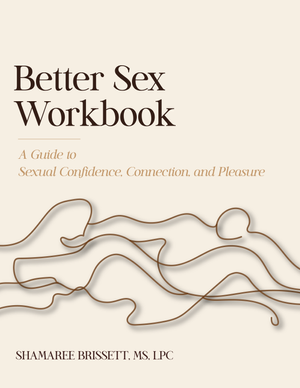
Better Sex Workbook
A Guide to Sexual Confidence, Connection, and Pleasure
A self-guided workbook for exploring desire, embodiment, communication, and pleasure — with space to move at your own pace.
Not prescriptive or outcome-driven. Just a structured place to notice patterns, soften shame, and reconnect with what feels true in your sexual life.
Some people use it alongside therapy. Others move through it on their own.
Purchase →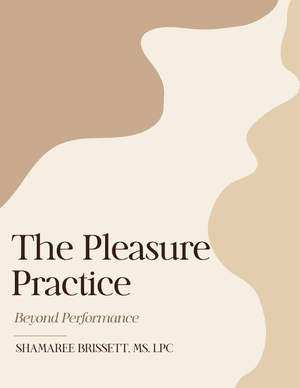
The Pleasure Practice
Beyond Performance
A guided companion for moving out of performance and into presence — helping you notice where pressure, shame, or old scripts have shaped your relationship to pleasure.
Structured, but not rigid. Built to meet you wherever you're starting from.
Designed to complement the Better Sex Workbook, or stand on its own.
Purchase →Still Not Sure
Where to Start?
That uncertainty is meaningful — not a problem to solve before reaching out.
You don’t need to arrive informed, prepared, or certain.
We can orient together.
Schedule a consultation