Reflections on intimacy,
desire, and relational patterns.
This is where I write about the parts of relationships that don’t always get named directly — connection, power, repair, and what it actually takes to stay present with each other.
You’ll find myth-busting, cultural context, clinical insight, and honest conversations about the things most couples therapy leaves unspoken: pleasure, power, survival patterns, and the complexity of intimacy.
These posts aren’t prescriptions.
They’re invitations — to think differently about your relationship and about what might be possible with support.
These reflections often resonate when couples are realising their current patterns aren’t sustainable — but aren’t sure what comes next.
If you’re not sure where to begin, start with the three posts below.
They offer the clearest entry point into how I approach this work.
Featured
What Therapy Can't Fix (And What It Can)
Therapy can't make your partner change. It can't eliminate conflict. It can't save a relationship where one person has already left. But it can help you see the patterns you're stuck in, create space for honesty, and support you in making decisions grounded in clarity instead of fear. Sometimes, that's enough.
Read More →Sex Therapy Isn't About Better Techniques — It's About Trust
When people think about sex therapy, they imagine technique tutorials and communication scripts. But here's the truth most people don't hear: the issue is rarely what you're doing. It's whether the relational foundation feels safe enough to be vulnerable in the first place.
Read More →The Myth of 'Healthy' Relationships
There's no universal definition of what makes a relationship "healthy" — and trying to fit yours into someone else's template often does more harm than good. What looks functional in one relationship might feel stifling in another. The goal isn't to match a blueprint. It's to build something that feels true, sustainable, and aligned with who you actually are.
Read More →
When Conflict Crosses the Line: Understanding Safety, Power, and Harm in Relationships
Not everything that hurts is harmful. This post explores the distinction between difficult, hurtful, and painful relationship dynamics — and what actually changes when conflict becomes about power, coercion, or control.

The Roommate Phase: What It Actually Means
"It feels like we're roommates." It's one of the most common things people say when a relationship doesn't feel quite right anymore. This post explores what the roommate phase is actually signaling — and what to do with that information.

When One Person Wants Sex and the Other Doesn't: What's Actually Happening
When desire doesn't match between partners, most couples assume something is wrong. This post explores how desire actually works — and why what looks like incompatibility is often a misunderstanding nobody told you about.

When You Love Each Other But Don't Like Each Other Right Now
Most people have felt this and said nothing about it. This post explores what it actually means when love and enjoyment come apart — and what that gap is trying to tell you.

There Is No "Normal" Relationship—And Pride Month Proves It
Most people spend a surprising amount of time wondering whether their relationship is normal. This post examines where that standard comes from, why it gets in the way of intimacy, and what better questions to ask instead.

What Happens When You Don’t Know What You Like: Why shame, self-disconnection, and pleasure don’t stay individual for long.
A lot of people enter relationships without ever having learned what actually feels good to them. This post explores how shame, self-disconnection, and unexplored desire shape intimacy—and why reconnecting with your own body is relational work too.

Consent Isn't Just About Sex; It's About Safety in Relationships
Consent isn't just about sex—it's about whether both people in a relationship feel safe enough to say what they actually want. This post explores what relational consent looks like in everyday dynamics, and what erodes it quietly over time.

What Therapy Can’t Fix (And What It Can)
Therapy can't make your partner change. It can't eliminate conflict. It can't save a relationship where one person has already left. But it can help you see the patterns you're stuck in, create space for honesty, and support you in making decisions grounded in clarity instead of fear. Sometimes, that's enough.

Pleasure Is a Right, Not a Reward
Somewhere along the way, a lot of us learned that pleasure is something you earn — that it comes after productivity, achievement, self-denial. But pleasure isn't a reward. It's a right. And reclaiming it isn't indulgent. It's how your body learns to rest, to be present, and to actually want what it wants.

Non-Monogamy Isn’t the Problem (But Communication Might Be)
A lot of people assume non-monogamy creates problems — jealousy, insecurity, distance. But non-monogamy doesn't create problems. It exposes the ones that were already there. The communication skills, the unspoken assumptions, the conflict avoidance — non-monogamy just makes all of it unavoidable.

When Code-Switching Comes Home: Intimacy and Cultural Performance
For many Black and POC folks, code-switching doesn't stop at the door. The performance of being non-threatening, composed, twice as good — it follows you home. And when it does, it quietly erodes intimacy. Letting go of that performance requires more than intention. It requires a relationship where your body believes: I don't have to perform here.

Conflict Isn’t the Problem. Disconnection Is.
A lot of couples come to therapy hoping to stop fighting. But conflict isn't the problem — disconnection is. Healthy relationships aren't conflict-free. They're relationships where disagreement doesn't mean abandonment, and repair is possible after rupture.

You’re Not Bad at Communication; You’re Stuck in a Pattern
Most couples who come to therapy say some version of "we just can't communicate." But here's what I tell them: you're not bad at communication — you're stuck in a pattern. Patterns are predictable cycles that repeat regardless of the topic. The content changes, but the dance stays the same.

Why Desire Isn’t the Problem—Safety Is
If desire has disappeared in your relationship, it's not because you're broken or your partner isn't attractive enough. It's because the conditions desire needs — safety, trust, presence, permission — aren't fully there yet. And that's fixable. Not by trying harder, but by building the foundation where desire can actually exist.

Sex Therapy Isn’t About Better Techniques—It’s About Trust
When people think about sex therapy, they imagine technique tutorials and communication scripts. But here's the truth most people don't hear: the issue is rarely what you're doing. It's whether the relational foundation feels safe enough to be vulnerable in the first place.

Reclaiming Intimacy Beyond Survival: For Black and POC Relationships
For many Black and POC couples, intimacy isn't just shaped by attachment patterns — it's shaped by survival. By racialized stress, generational silence around pleasure, and the reality that softness hasn't always been safe. Reclaiming intimacy means asking: what served me then, and what do I want to choose now?
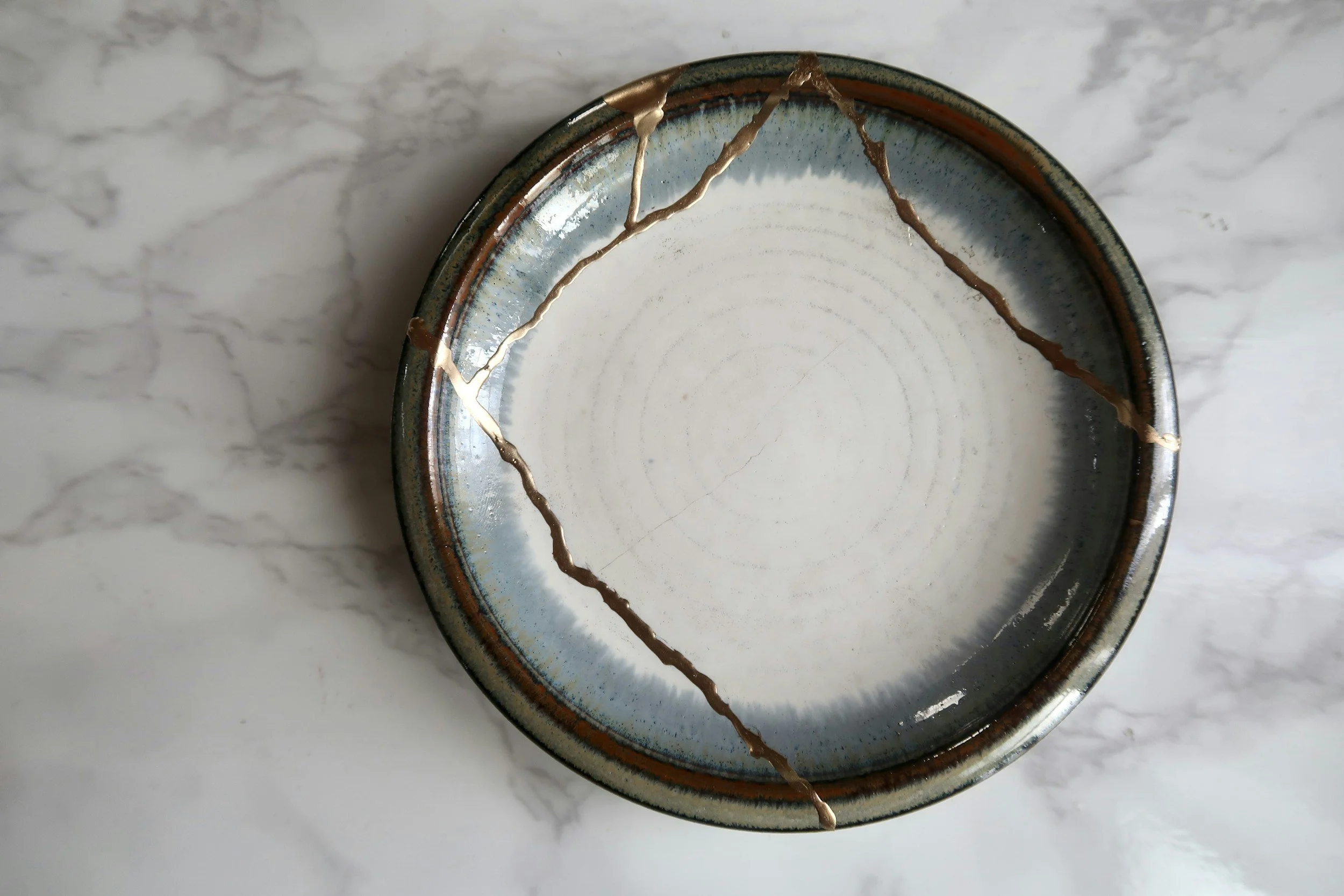
The Myth of ‘Healthy’ Relationships
There's no universal definition of what makes a relationship "healthy" — and trying to fit yours into someone else's template often does more harm than good. What looks functional in one relationship might feel stifling in another. The goal isn't to match a blueprint. It's to build something that feels true, sustainable, and aligned with who you actually are.
If something here resonated, you don’t have to figure out on your own.
Looking for Support?Ready to talk
about what you noticed?
If you’re seeing these patterns in your own relationship, we can explore them together.
I offer complimentary consultations as a starting point — a space to talk through what’s been happening and see if this feels like the right fit.
Therapy is available to couples and polycules located in Connecticut.
Schedule a consultation